Sharp tools are essential, not only for hand tool woodworkers. Sharpening might be the single most important skill to develop, as without it, the work will not be enjoyable and the results mediocre at best.
(Re-)Shaping a damaged or misformed tool is not sharpening. Usually a grinder or fairly coarse sandpaper on a flat surface will be used for that.
¶ Overview
In general one has to distinguish between flattening and sharpening. Flattening the mirror side of a plane blade or chisel is where the flatness aspect is most critical. For maintenance sharpening of the bevel, a perfectly flat stone is less critical. It pays to keep up with flattening, though, in order to not having to flatten a lot at once.
There is no perfect sharpening system. For everyone, some will be better suited or more comfortable. It is useful to stick to one system for a while to get good at it.
¶ Sandpaper
The basic concept is to glue sandpaper on a flat surface (sheet glass, surface plate) and sharpen on that.
¶ Pros
- low entry price
¶ Cons
- expensive in the long run
- requires flat surface
¶ Oil Stones
Harder stones in general that are lubricated with oil (3-in-1, non polymerizing vegetable oil, ...).
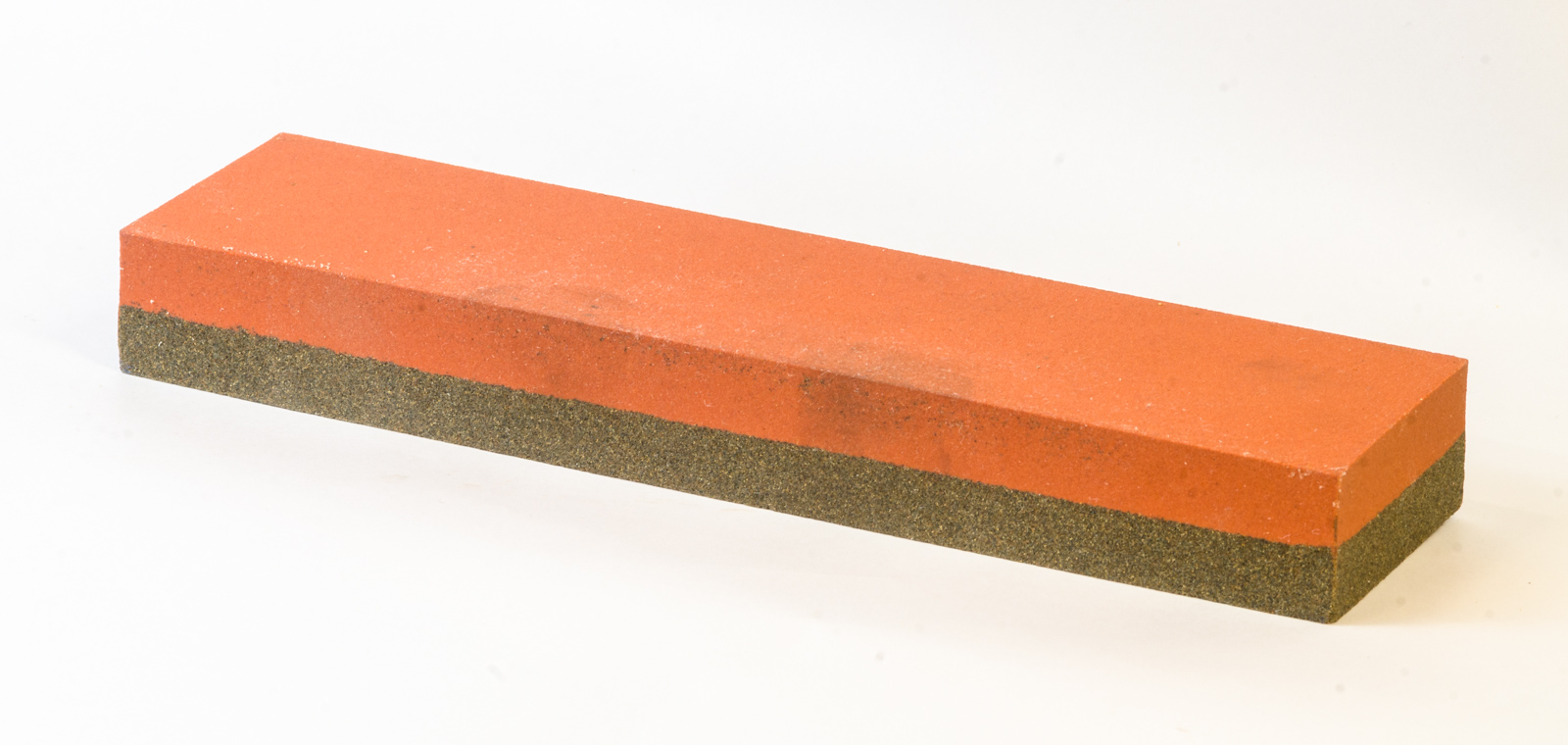
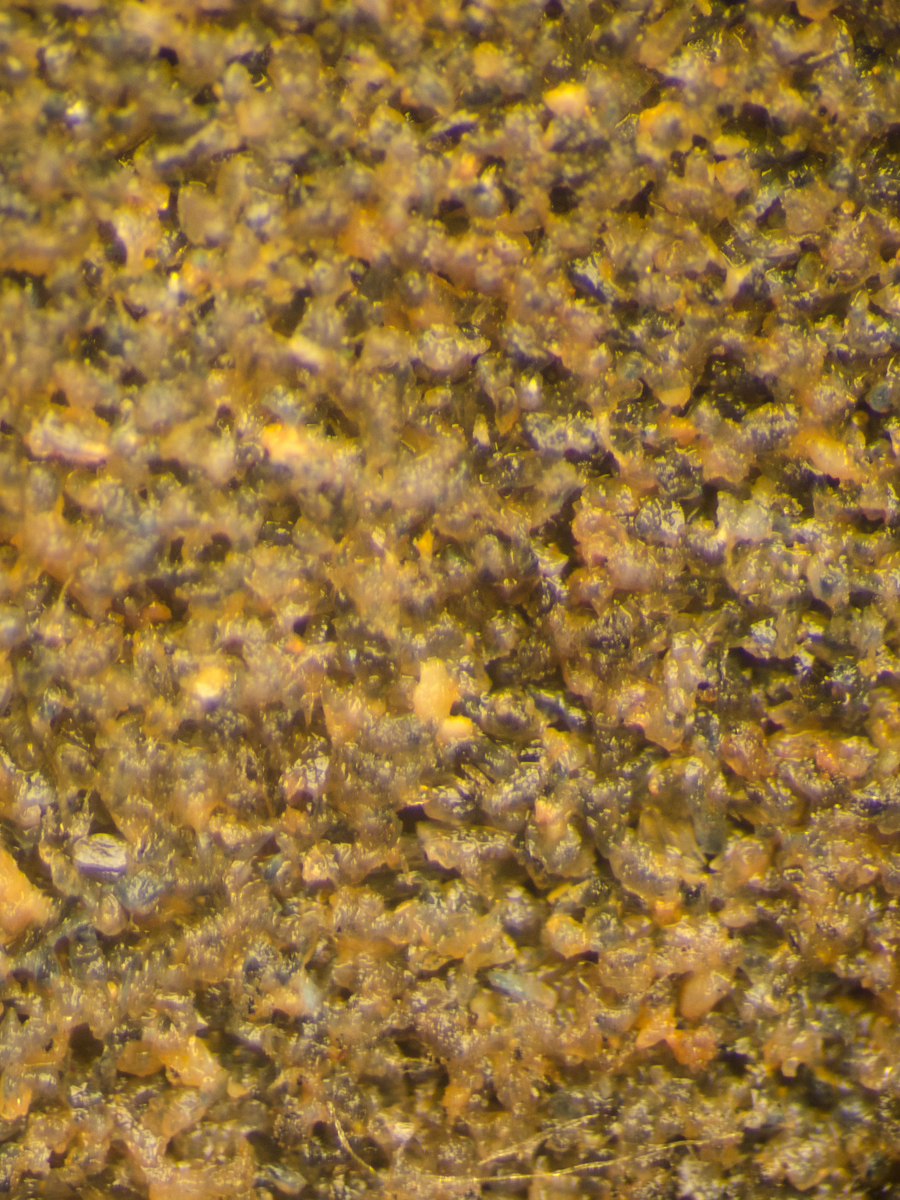
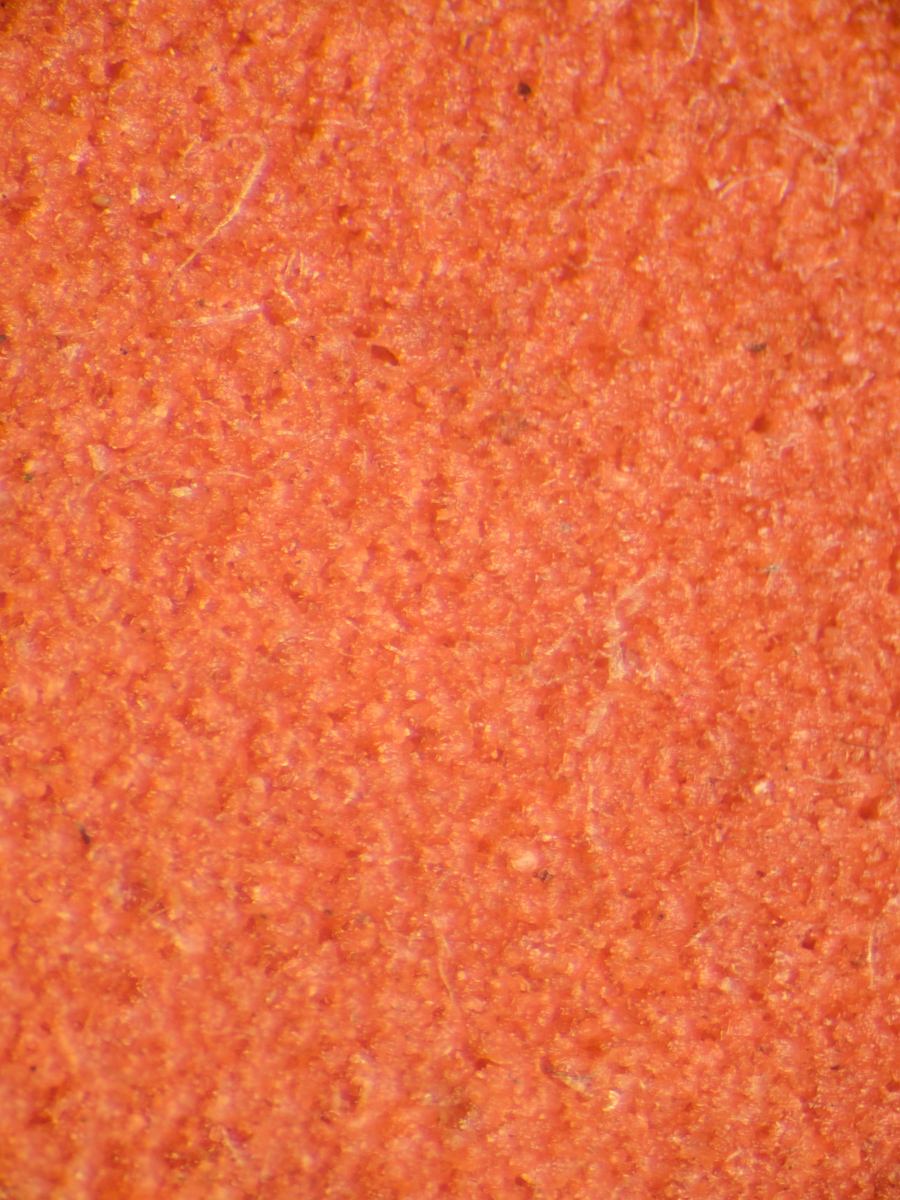
Norton India coarse, fine magnified
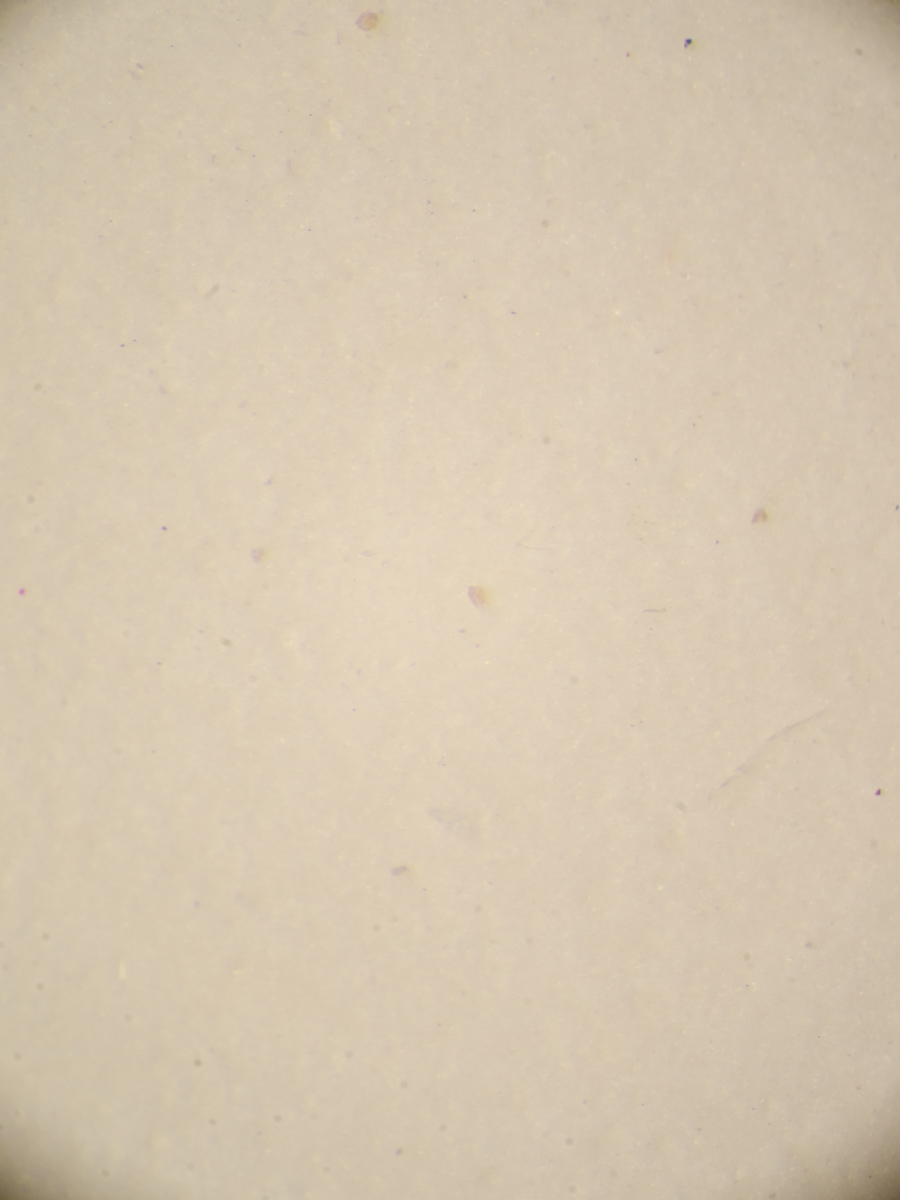
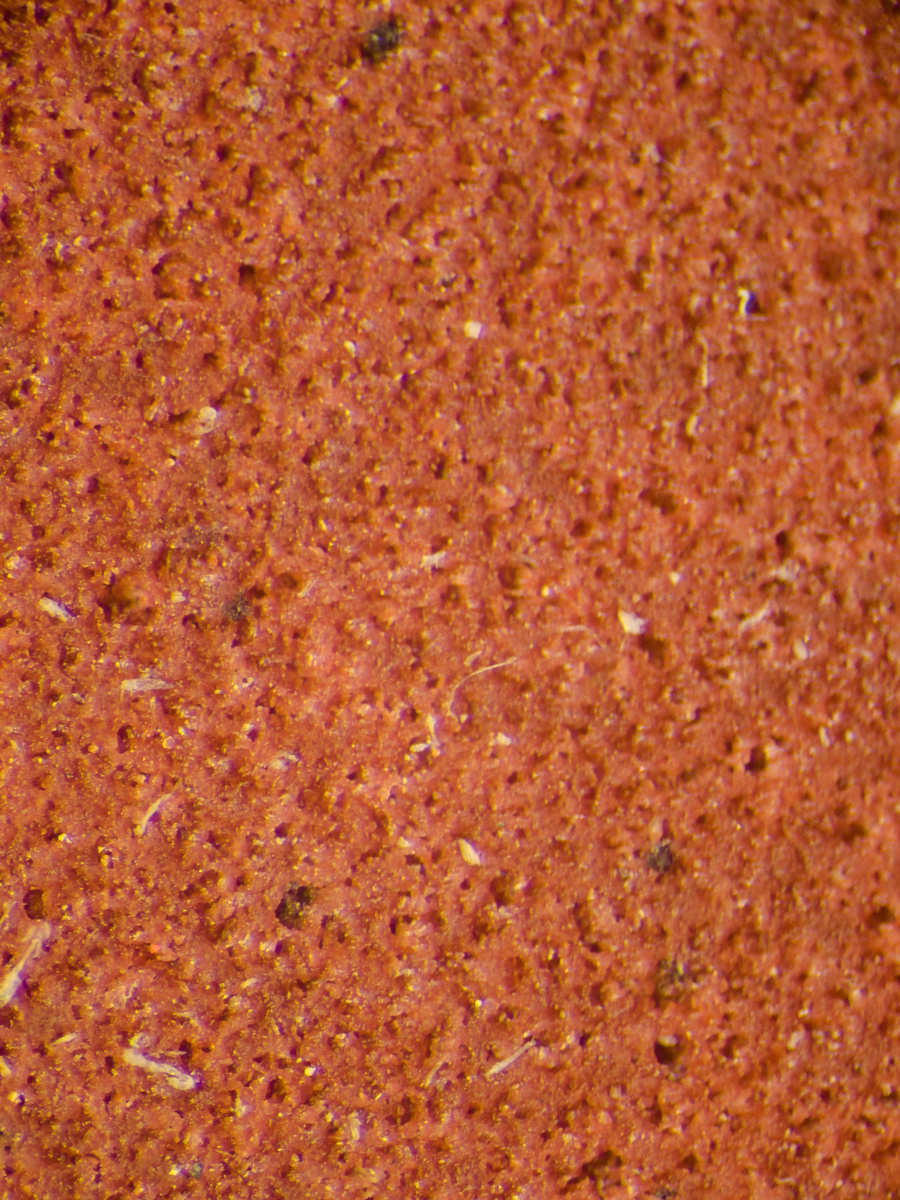
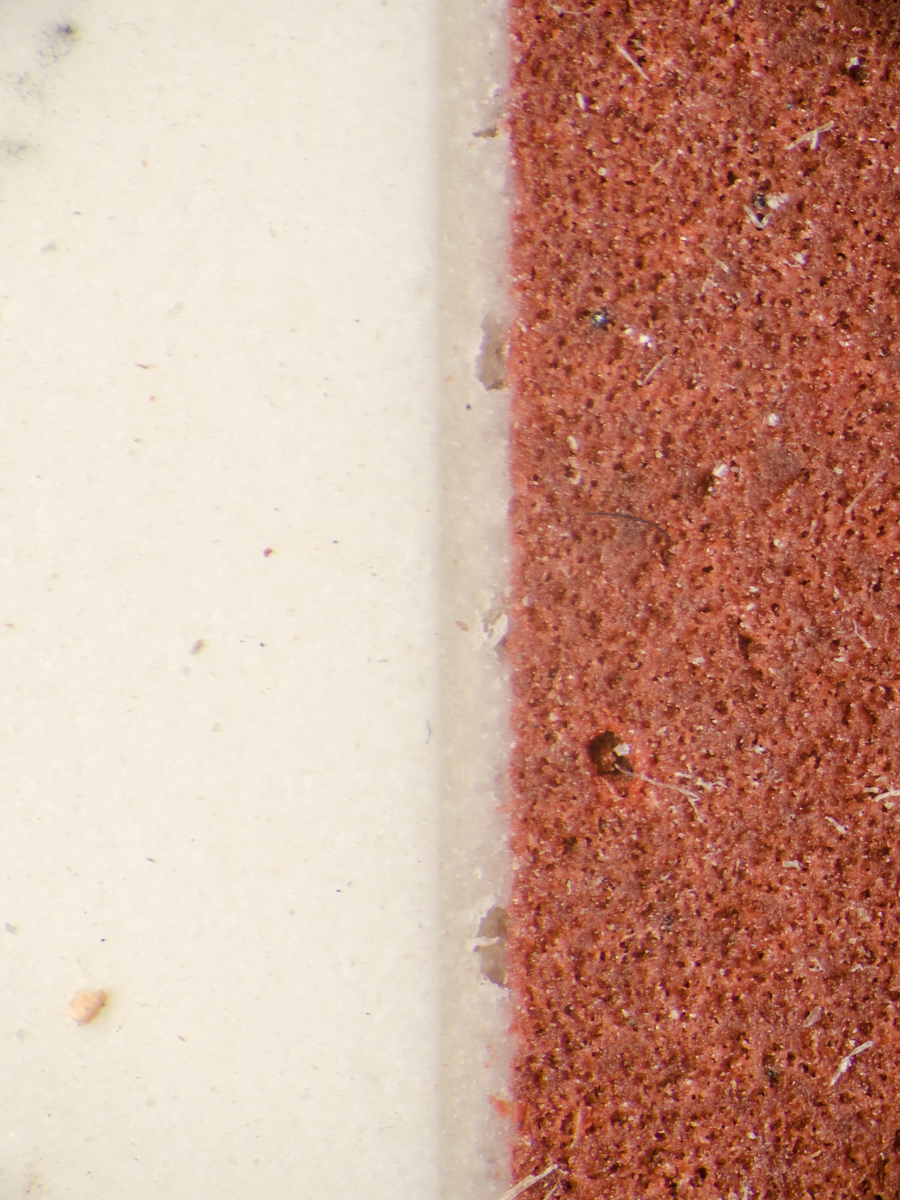
Dictum arcansas 1k, 2k, transition
¶ Pros
- stones last a long time
¶ Cons
- can be messy
- plates need to be kept flat/reflattened
¶ Brands
- Norton India Oilstone (two sided) is a reliable, affordable option
¶ Diamond Plates
Thin coat of diamonds embedded into a plating of a (ideally) flat metal backer.
- Diamonds leave a very ragged edge no matter the grit
- Working through a series of grits makes a big difference
- The percentage of Austensite, Martensite, and carbid in a given steel set the limit on how far you can go honing.
– bk

unused Atoma 140 grit diamond plate, magnified
¶ Pros
- lasts long if not abused, but not forever, maybe up to 10 years for hobby use
- if the plates are flat, they stay flat
¶ Cons
- higher up front cost
- some plates are not flat
¶ Brands
- DMT - flatness of 0.001"/.025mm for stones and 0.0005"/.0125mm for the diaflat lapping plates
- Atoma - flatness of ~.04mm
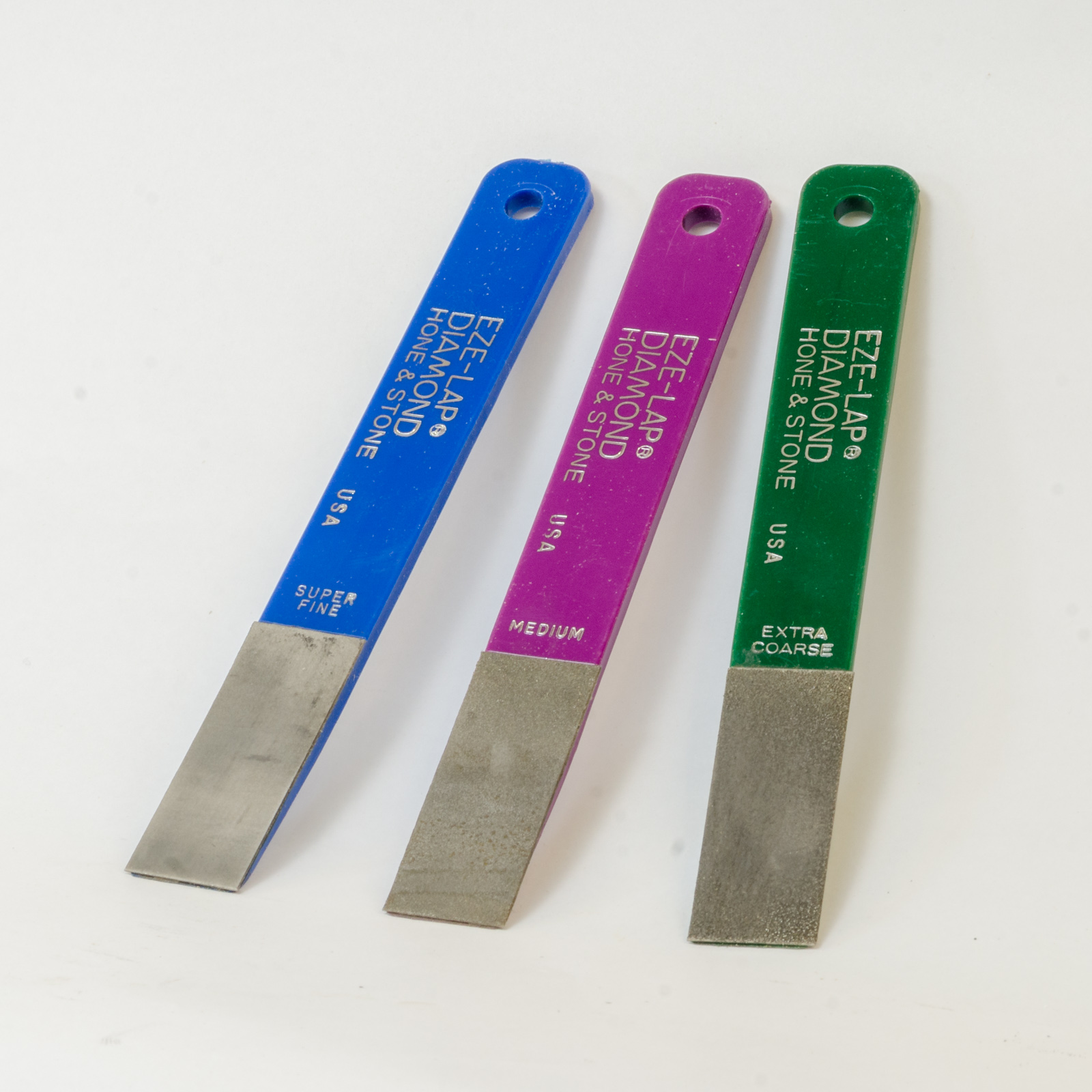
- EZE Lap
¶ Diamond Sheets
Same as plates, just on a thin backer. Sometimes laminated onto a thicker plate for flatness (Atoma) which is then to be considered a diamond plate. Usually glued onto a flat surface like glass, steel plate or just a decent piece of plywood.
Blog article on a system based on diamond sheets: https://paulsellers.com/2020/03/edge-sharpening-under-10/
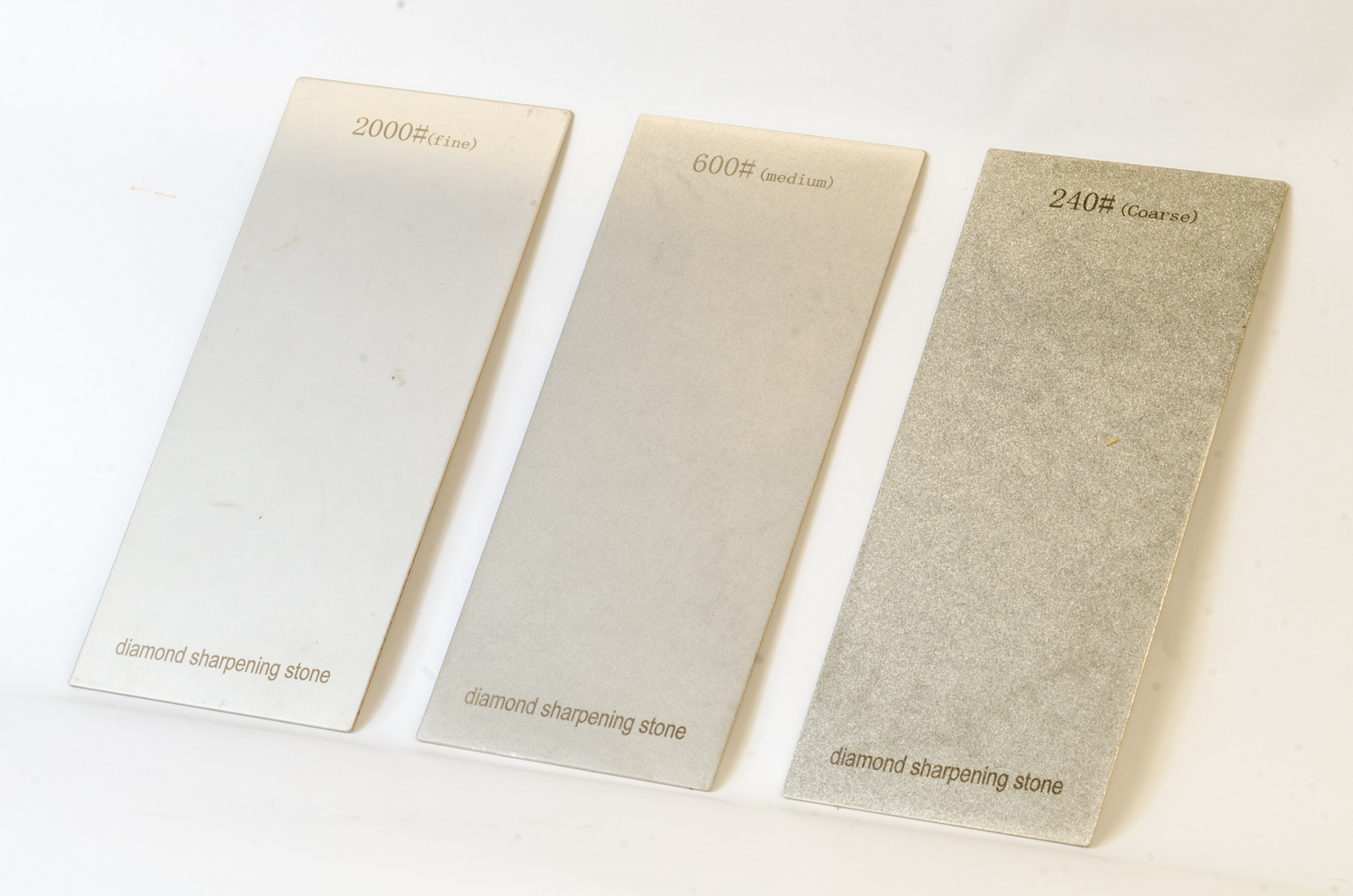
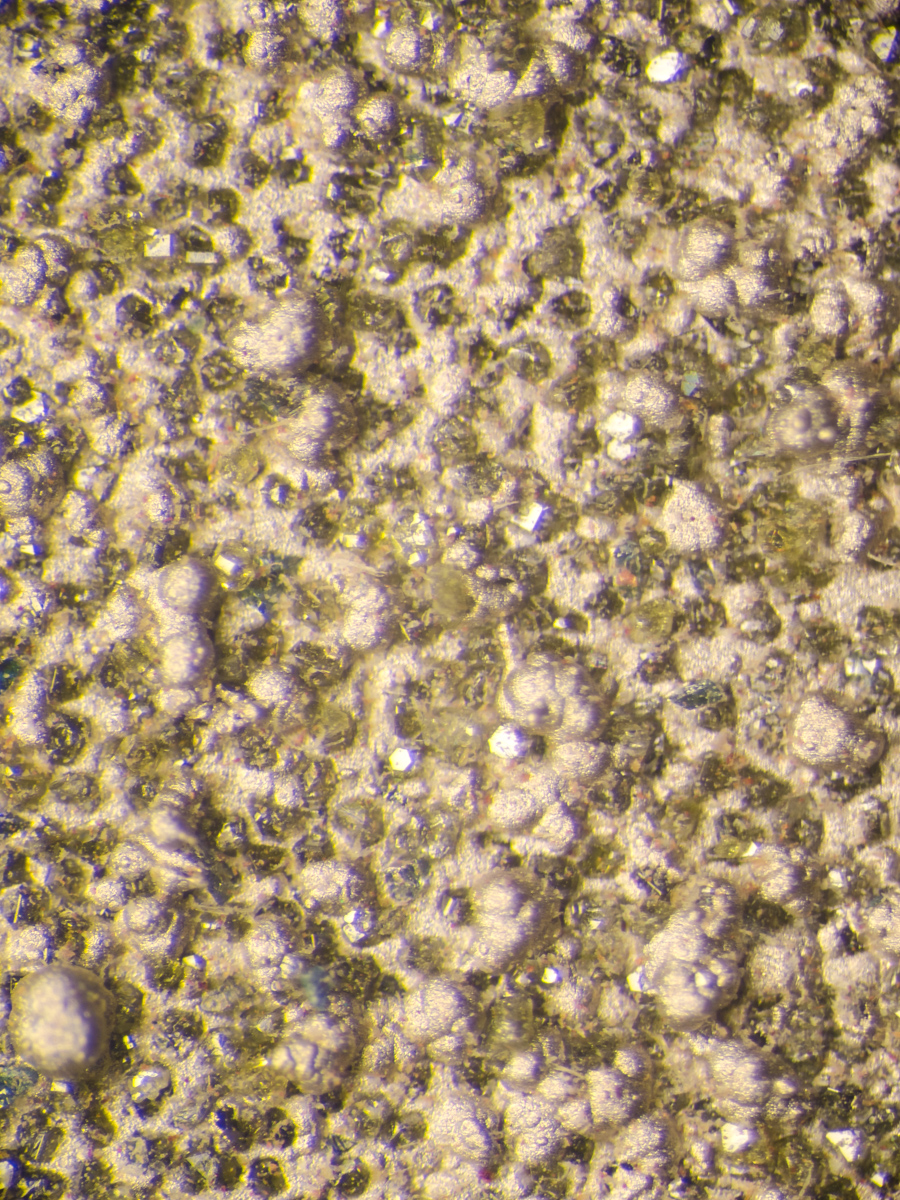
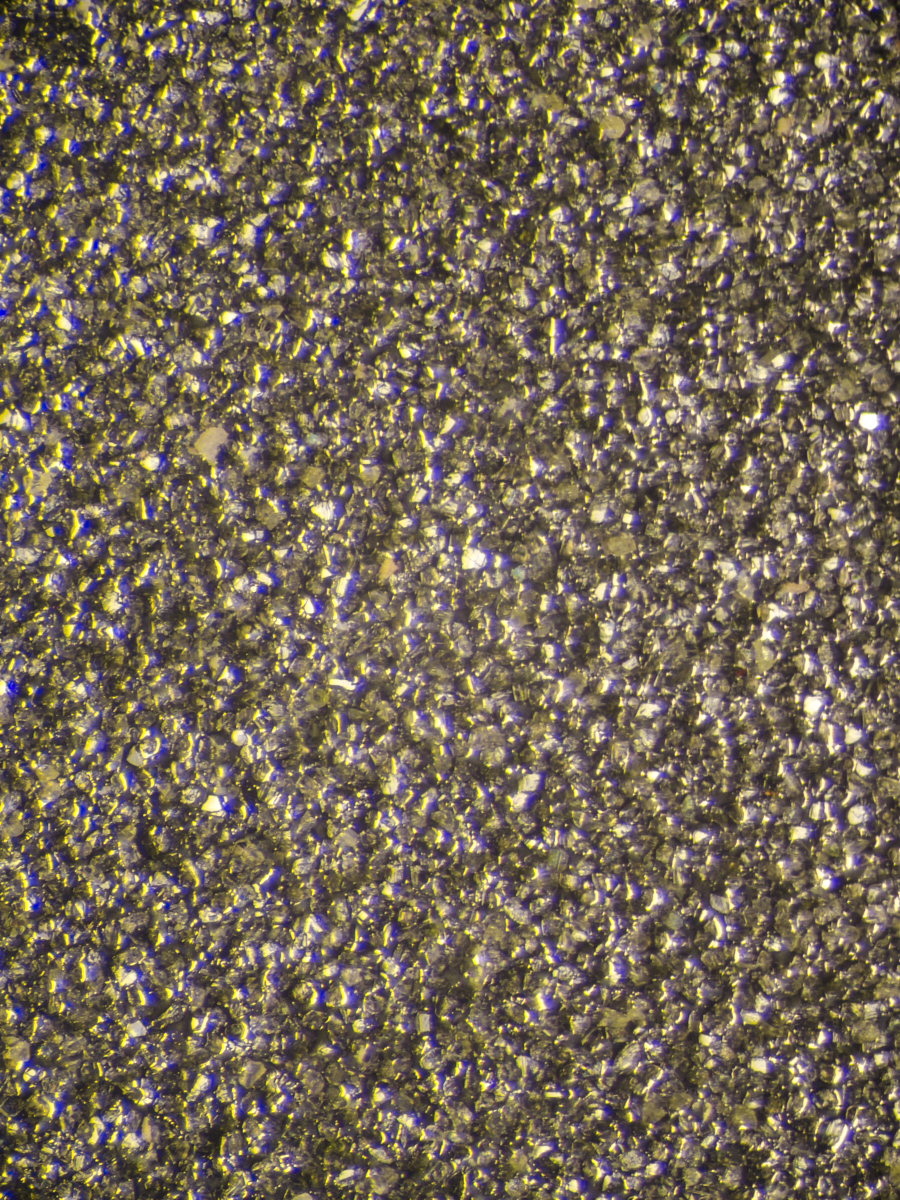
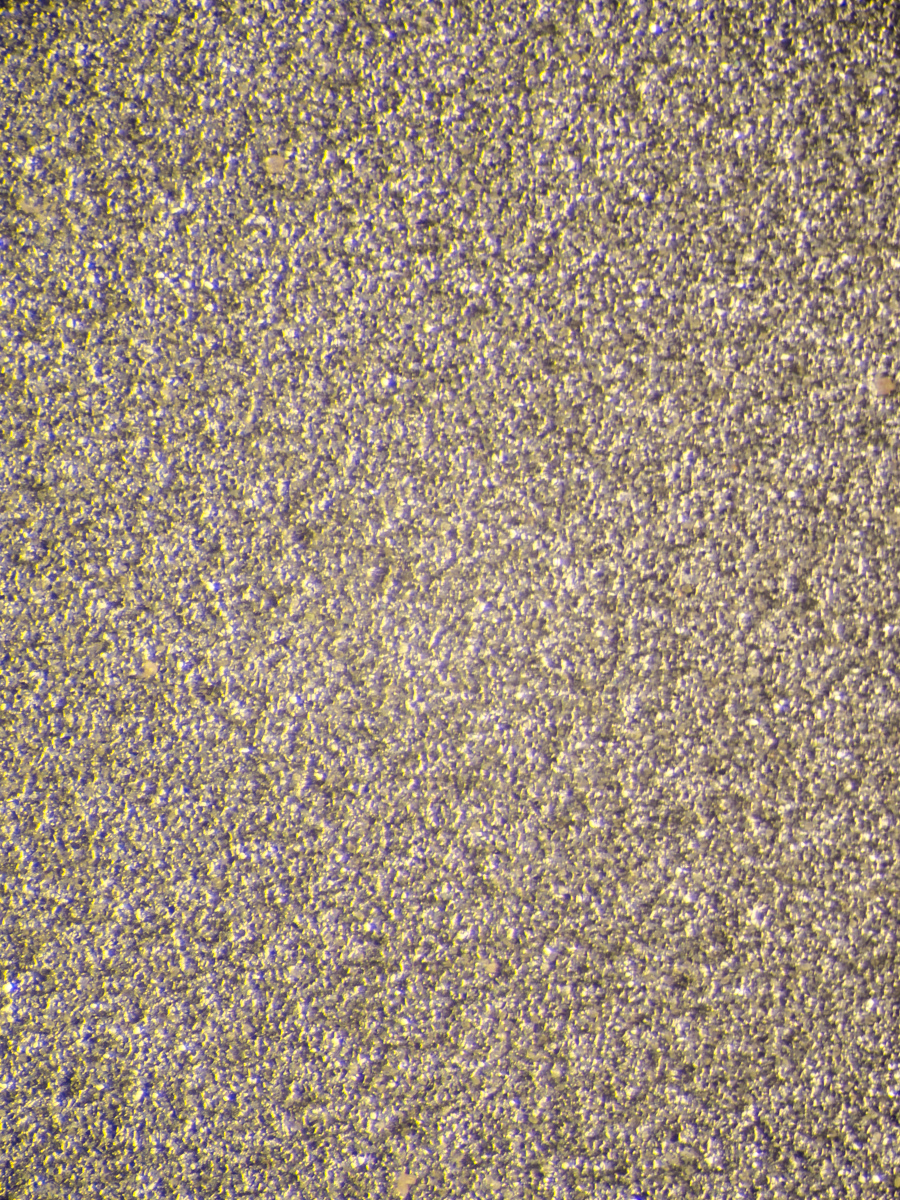
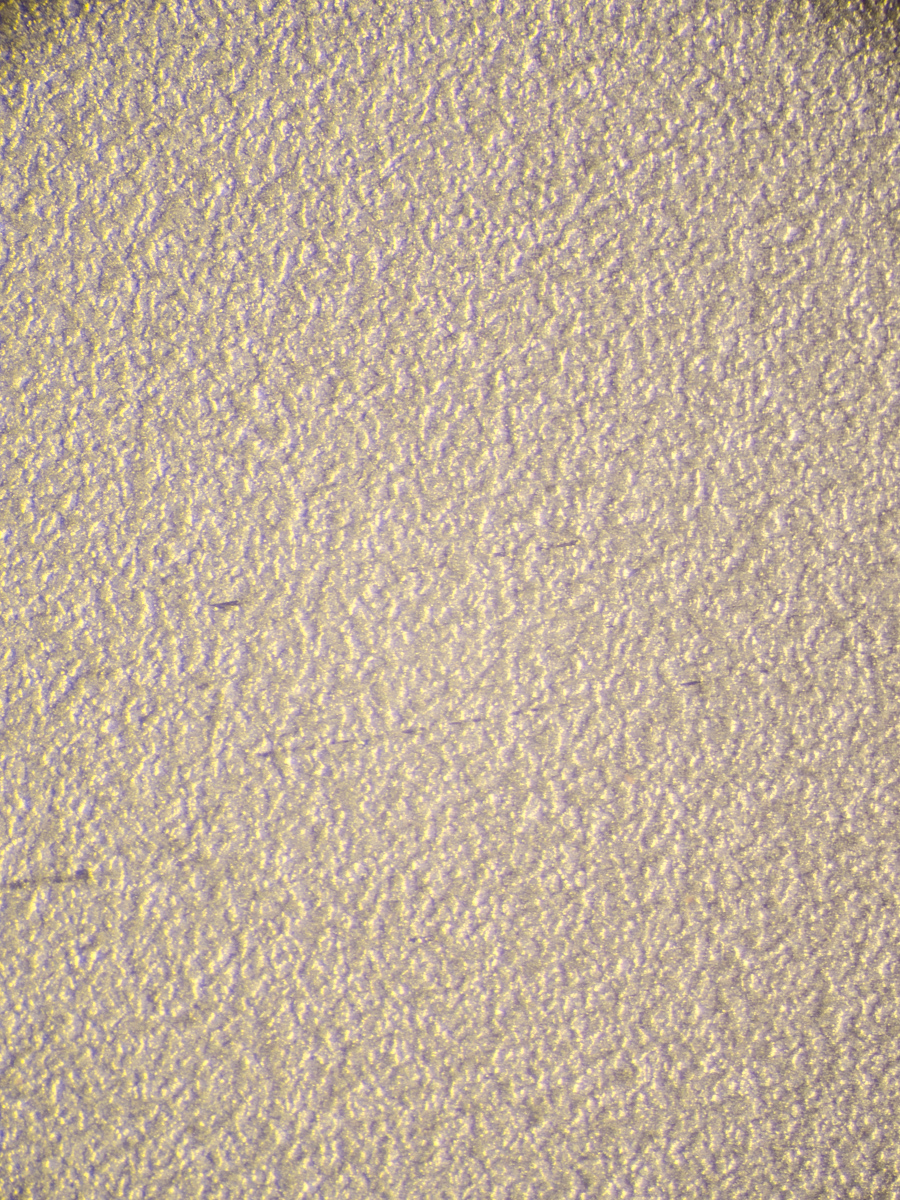
diamond sheets at grids 80, 240, 600, 2000 magnified
¶ Pros
- very affordable
- bit of the pros from diamond stones and sandpaper
¶ Cons
- quality may vary from cheap sources (assumption)
- may not be as flat as a diamond plate
¶ Diamond Hones
Small, but useful to touch up any edge, especially irregular ones like axes and drawknifes or garden shears.
¶ Water Stones
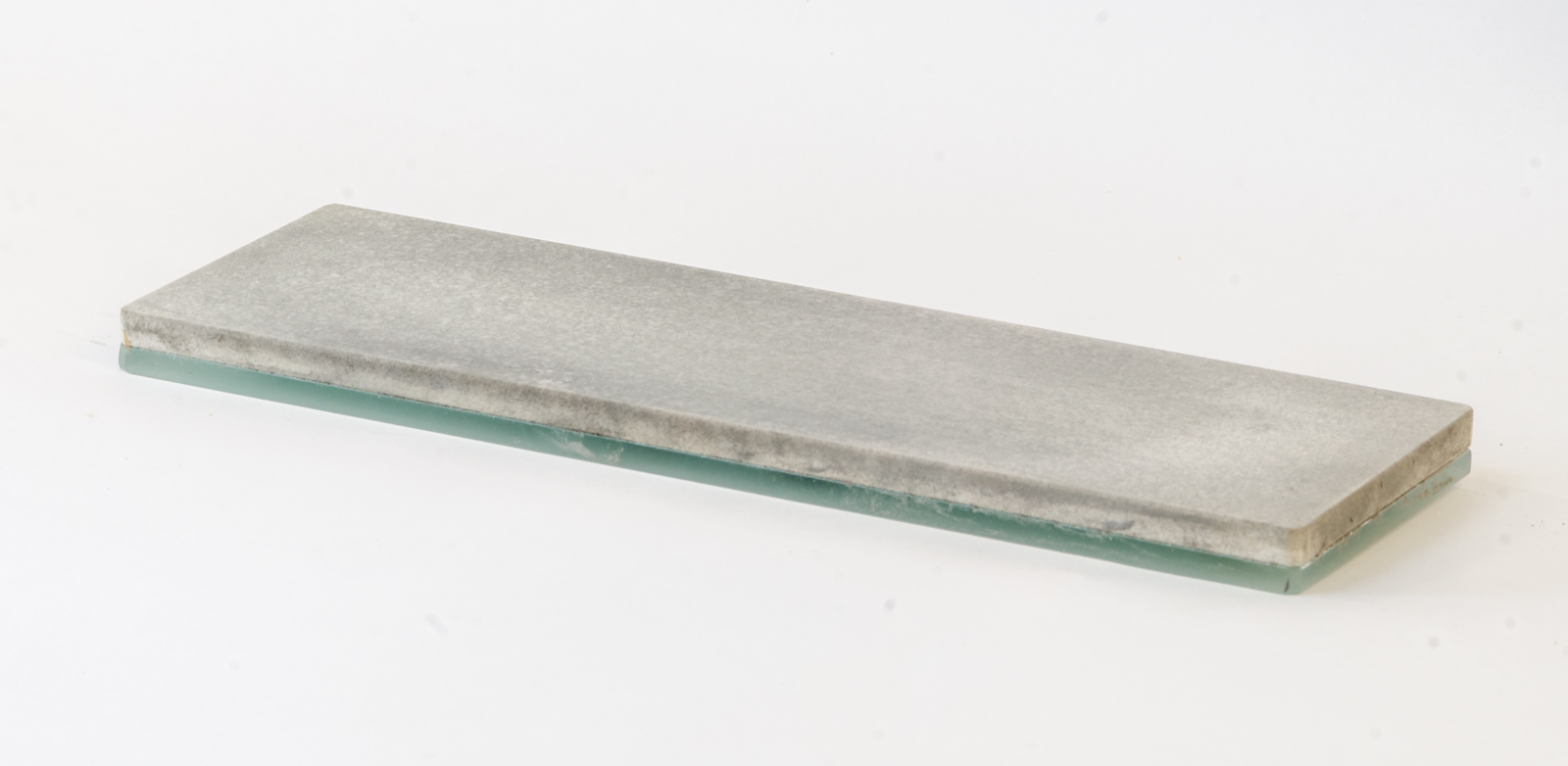
¶ Pros
- lots of (fine) grits available
- fast cutting (?)
¶ Cons
- relatively expensive
- require regular flattening
- generally considered the messier sharpening method
- more organization overhead (bins, trays, water management, flattening devices)
¶ Resources
- 🎬 My personal sharpening kit - Christopher Schwarz
¶ Honing
¶ Stropping
It's common to strop with some polishing compound after sharpening and honing on the stones to achieve an even more polished surface. Often a green block that has the polishing material embedded in wax is used. Some like the Herbs yellowstone product. Some use diamond paste. Traditionally, leather is used as the base for the honing compound, but wood, ply and MDF are also used, sometimes MDF wheels mounted in a grinder or a turned wooden piece on the lathe.
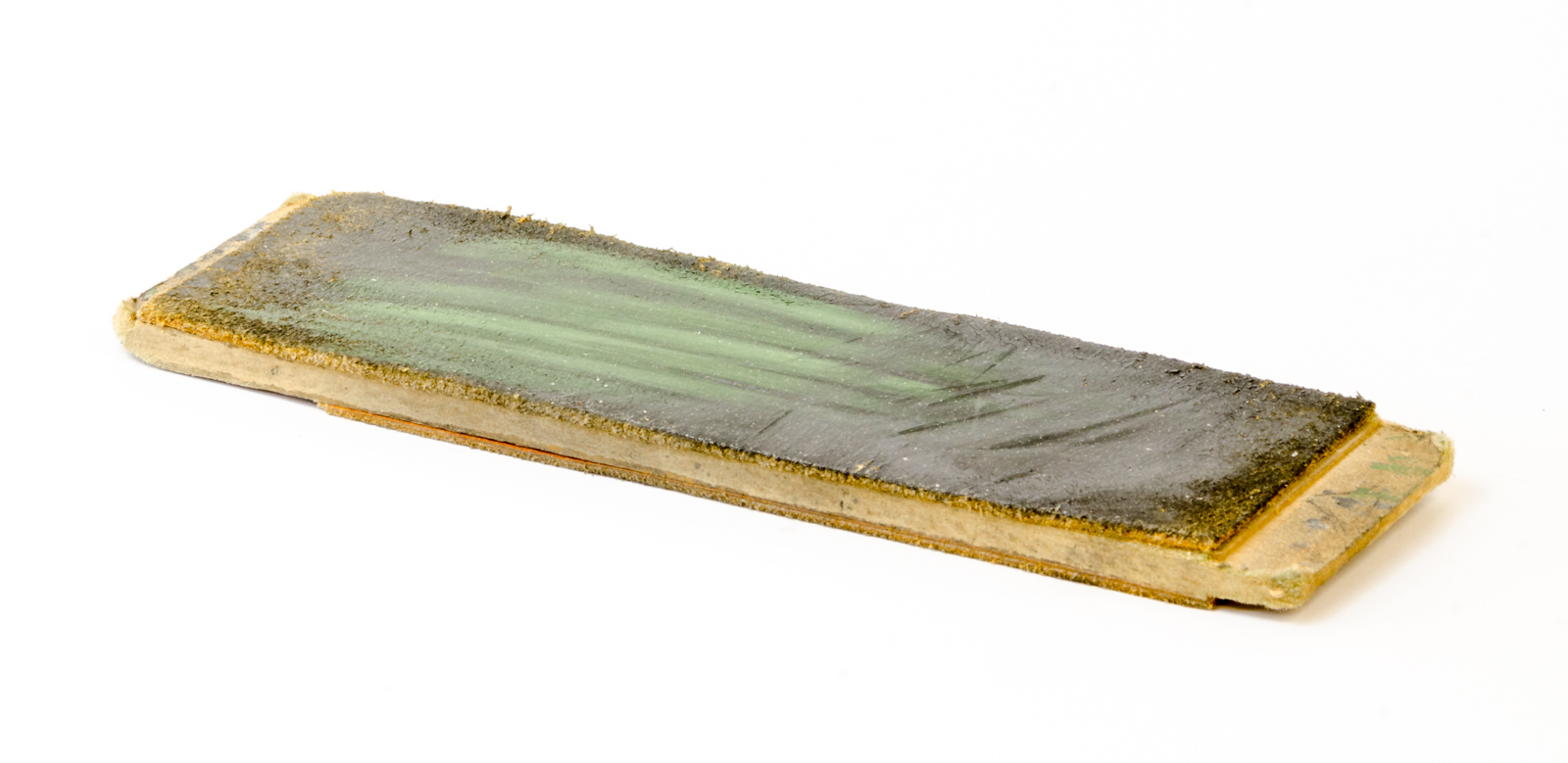
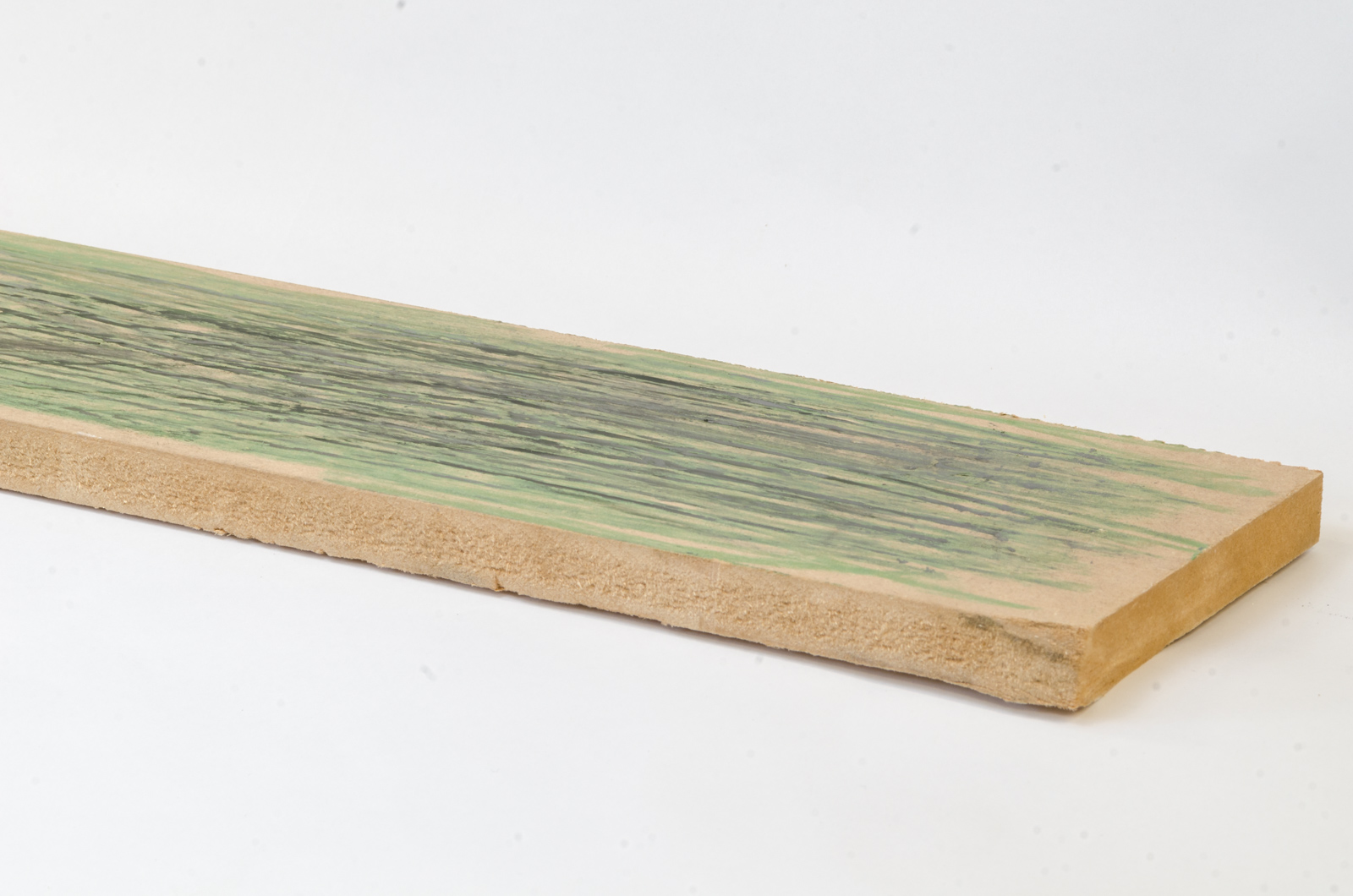
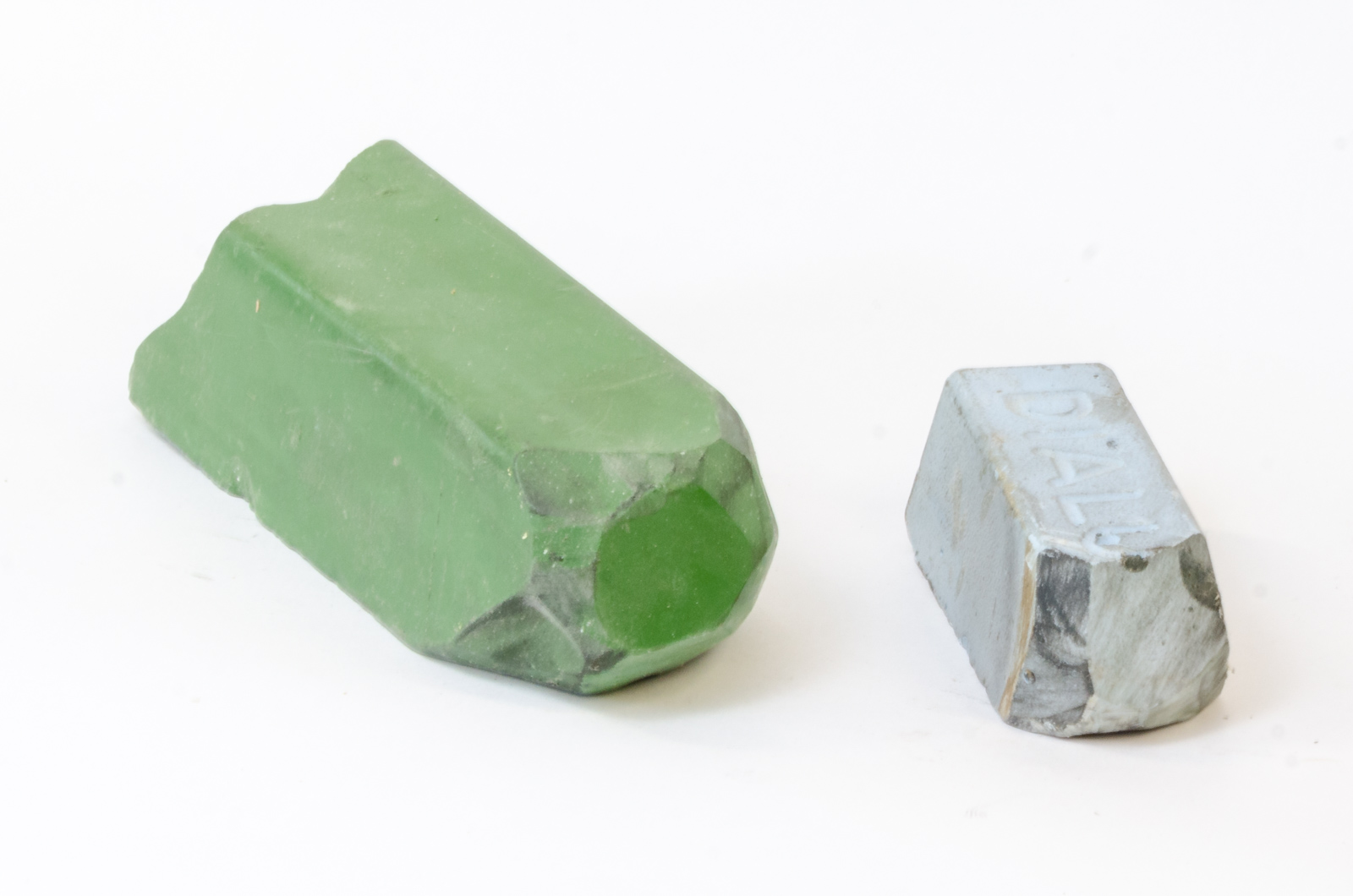
Opinion:
Leather stropping is to be avoided for tools that require a reference flat - like chisels and plane blades. Leather is too soft so it will want to round over that edge and while the tool will still be 'sharp' you can encounter problems when paring to a line / following the grain / etc. Leather stropping is for carving tools that don't really care where that edge is on the end of the tool.
For sharpening methods that do benefit from honing compound after the final grit (specifically diamond stones these days) then an option is to put the compound on MDF or honestly any known flat piece of wood. I've also seen people use diamond paste on some flat blocks of cast iron since the iron is soft enough to hold the paste.
In this Stumpy Nubs Strop Video he shows how to reduce the risk of roundover when using a strop.
¶ Slip stones
Shaped stones made from any of the sharpening media that are used to hone the inside of carving tools.
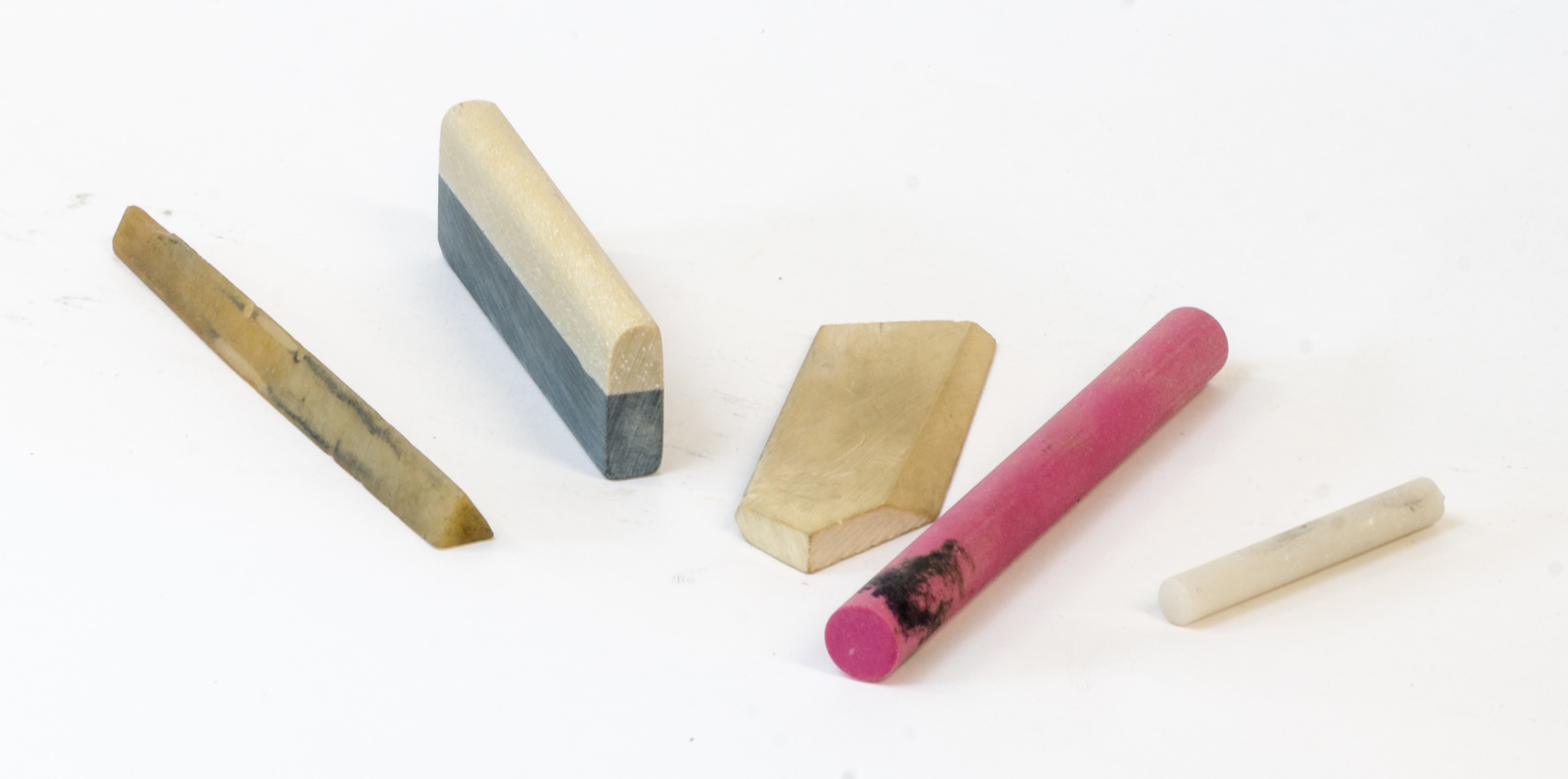
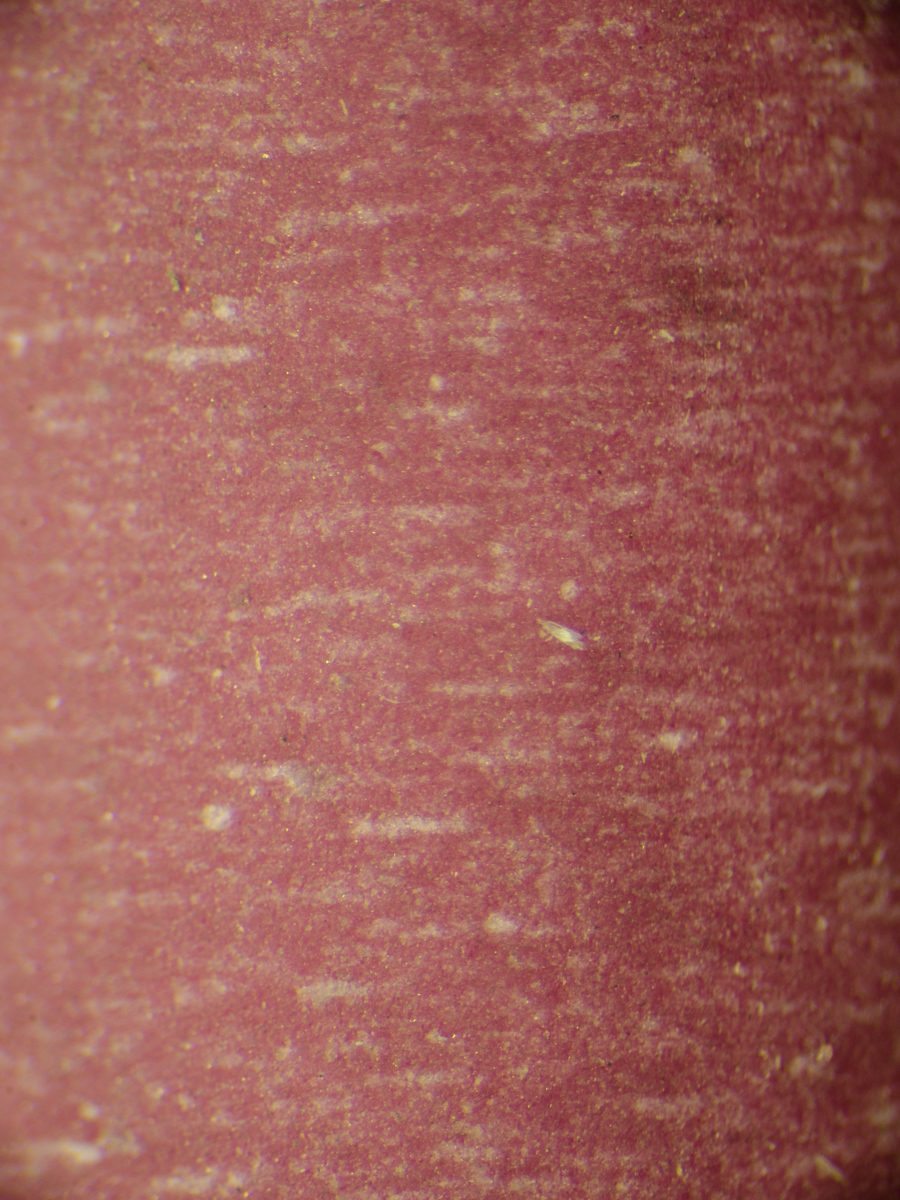
ruby rod, magnified
¶ Arkansas stones / Novaculite
https://www.danswhetstone.com/information/stone-grades-101/ - Arkansas Stone Grades 101
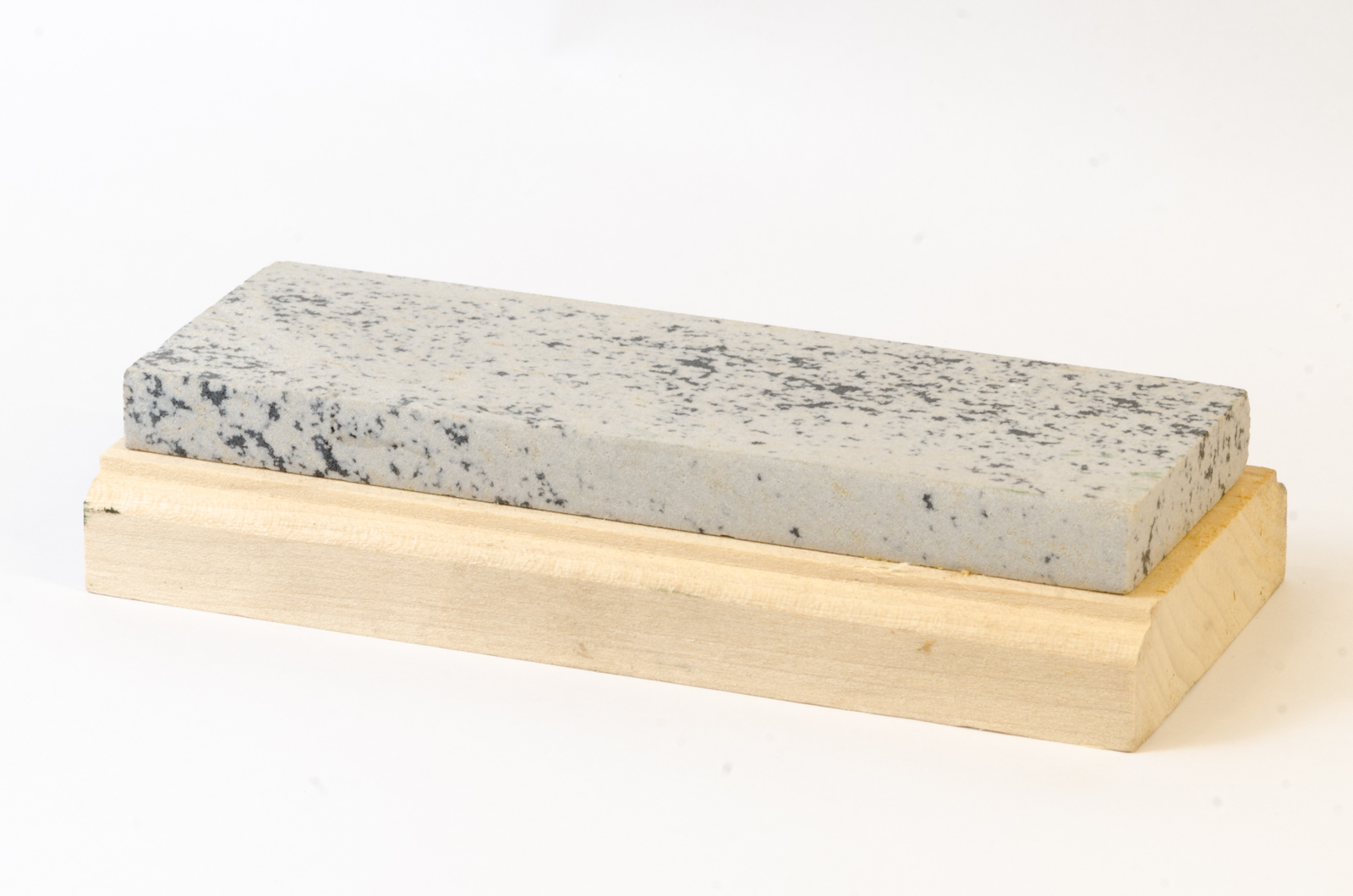
- soft
- black
- black surgical
- translucent
¶ Belgian Whetstones / Coticule
Very fine stone for polishing carving tools, knives and other edge tools. The blue variant is around 4000-6000 grit containing about 30% garnet, the yellow one 8000-10000 at 30-43% garnet content.
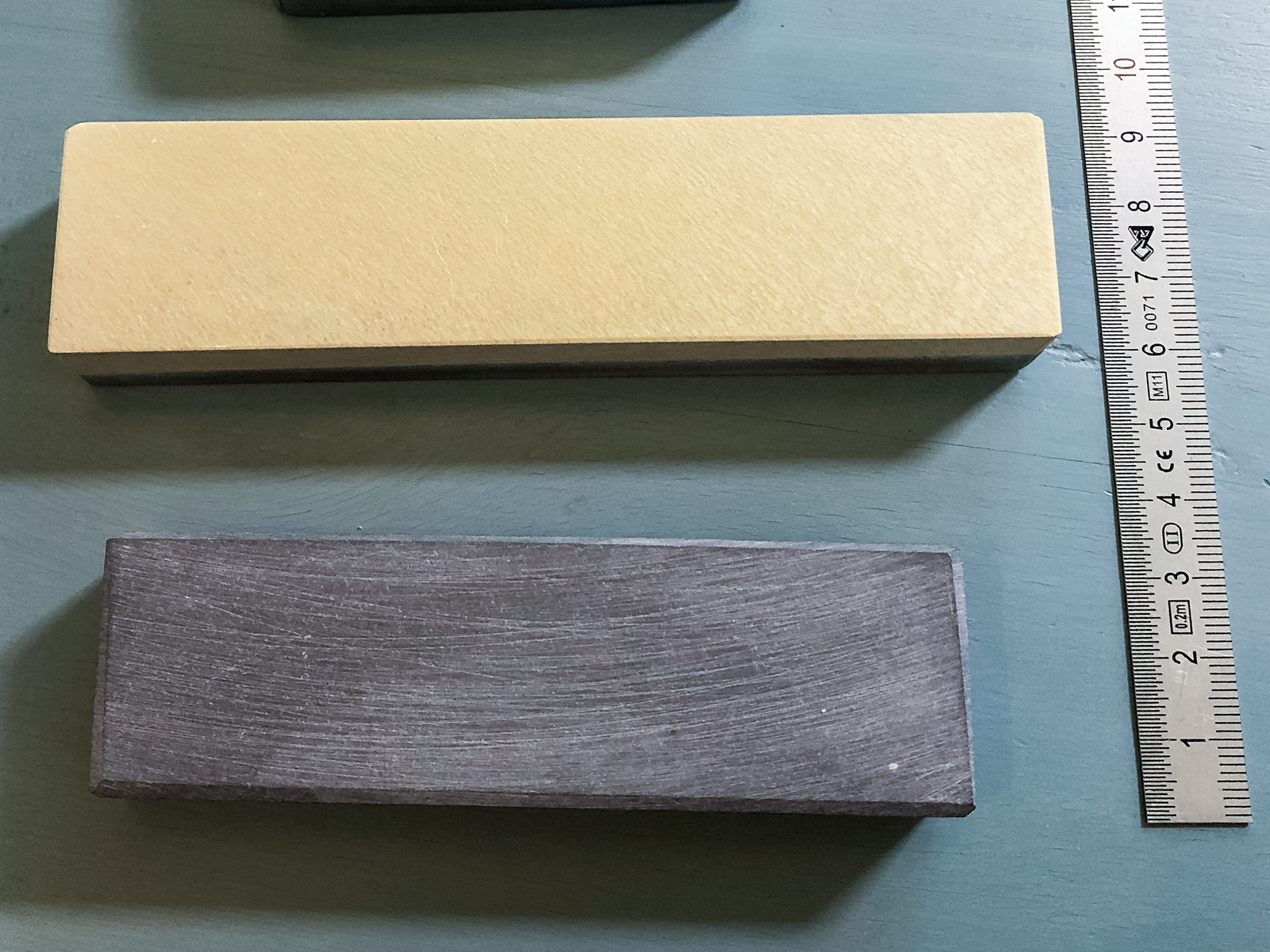
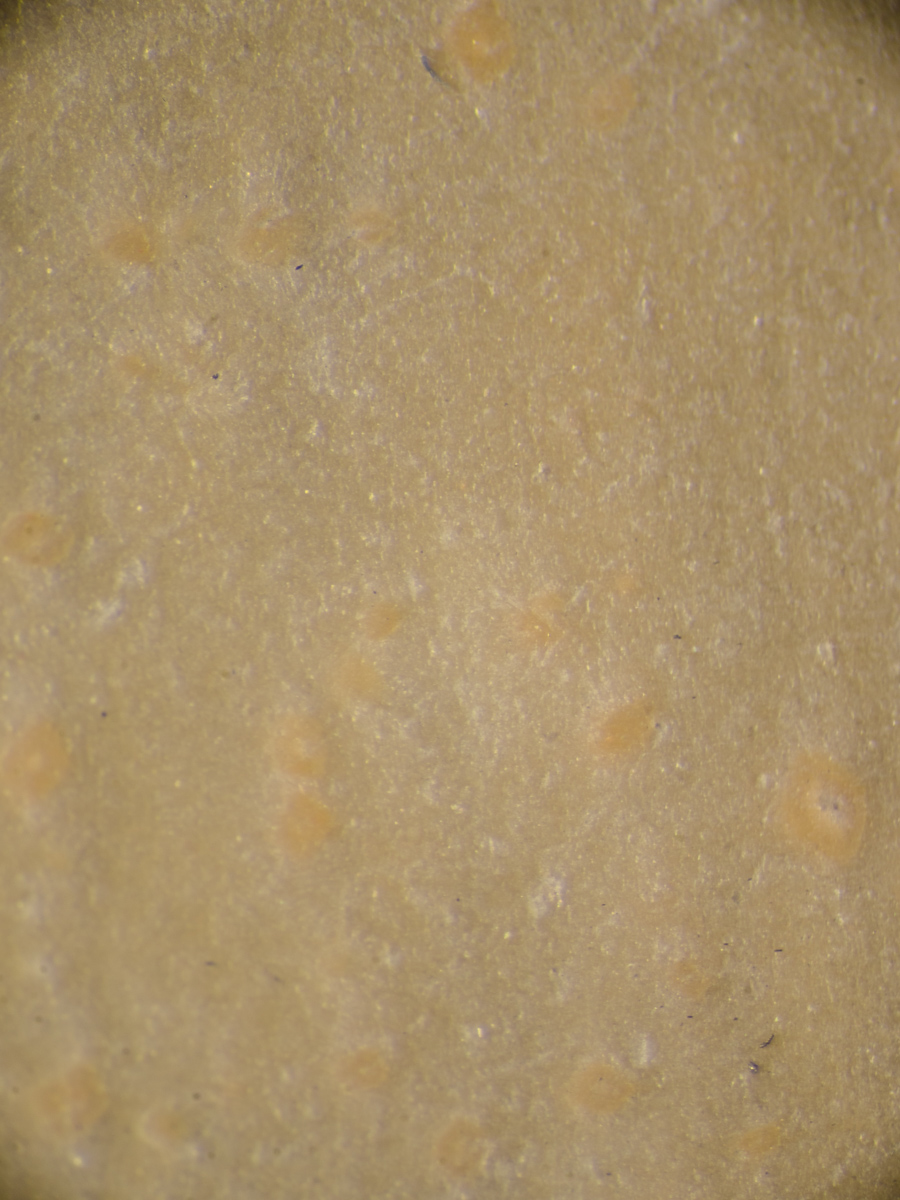
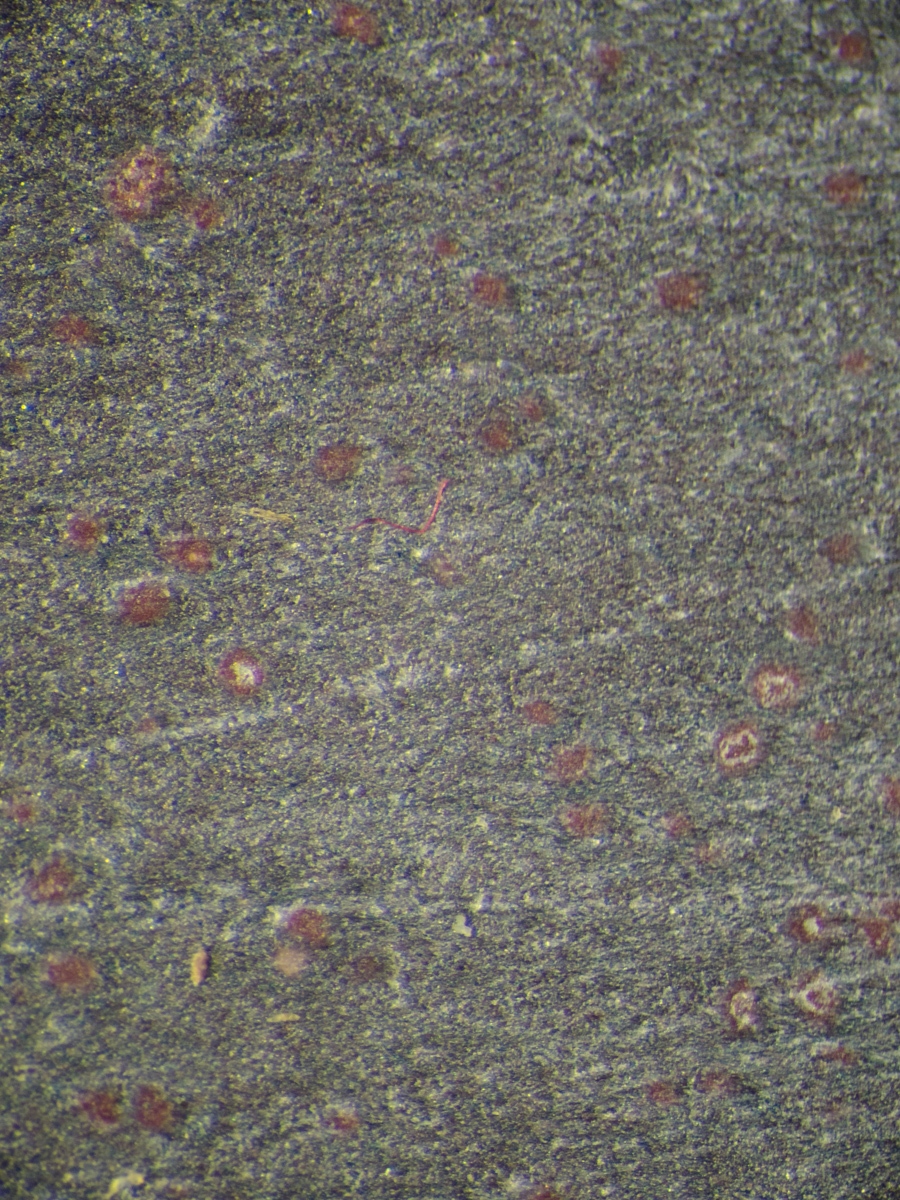
yellow and blue coticule, magnified
¶ Guides
¶ Sharpening guides for bench stones
- 🎬 Comparison of Veritas and Eclipse guides (15 min) - The Wood Knight
- 🎬 Tuning the Eclipse guide (9 min) - Lie-Nielsen Toolworks
Lie-Nielsen Toolworks
¶ Sharpening systems
The tool is clamped in a system and the sharpening media is moved along the edge e.g. by Lansky, Edge Pro (Apex), EZE Lap.
¶ Saw sharpening
¶ Scrapers
- see scrapers
¶ Tools
¶ Files
Decent brands are Bahco, Sandvic, Grobet, Vallorbe
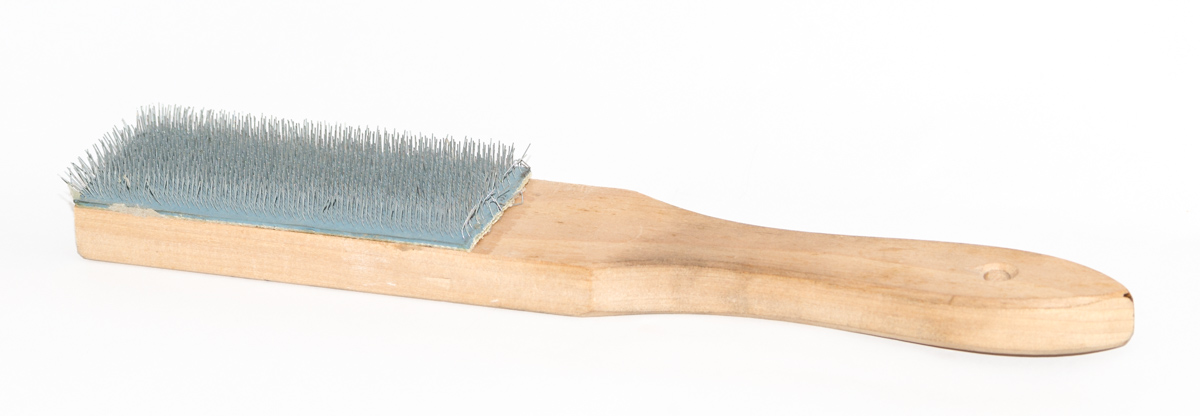
A file card is useful for maintaining files by removing metal (or wood) particles from the grooves.
¶ Burnishers
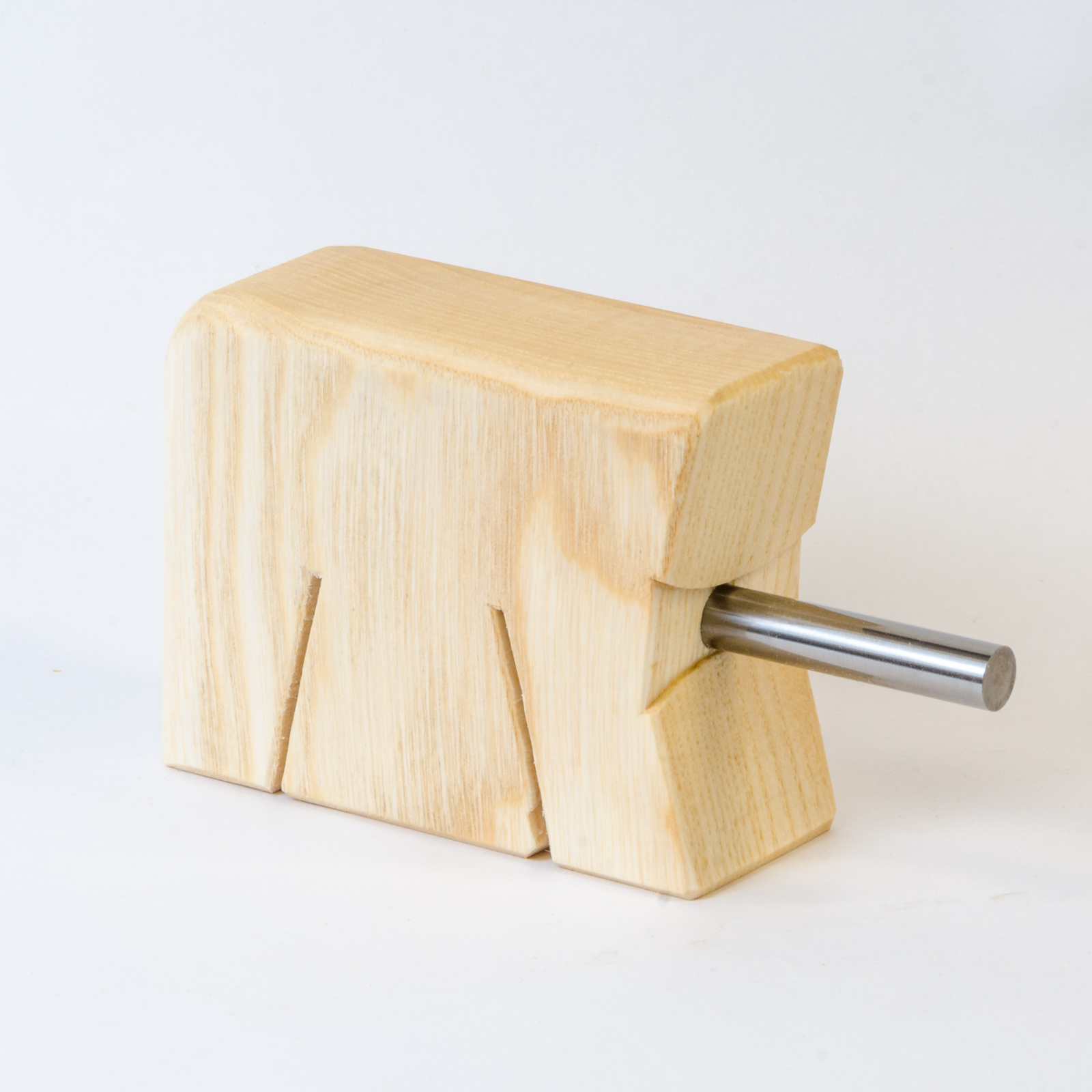
Traditional hardened steel burnisher.
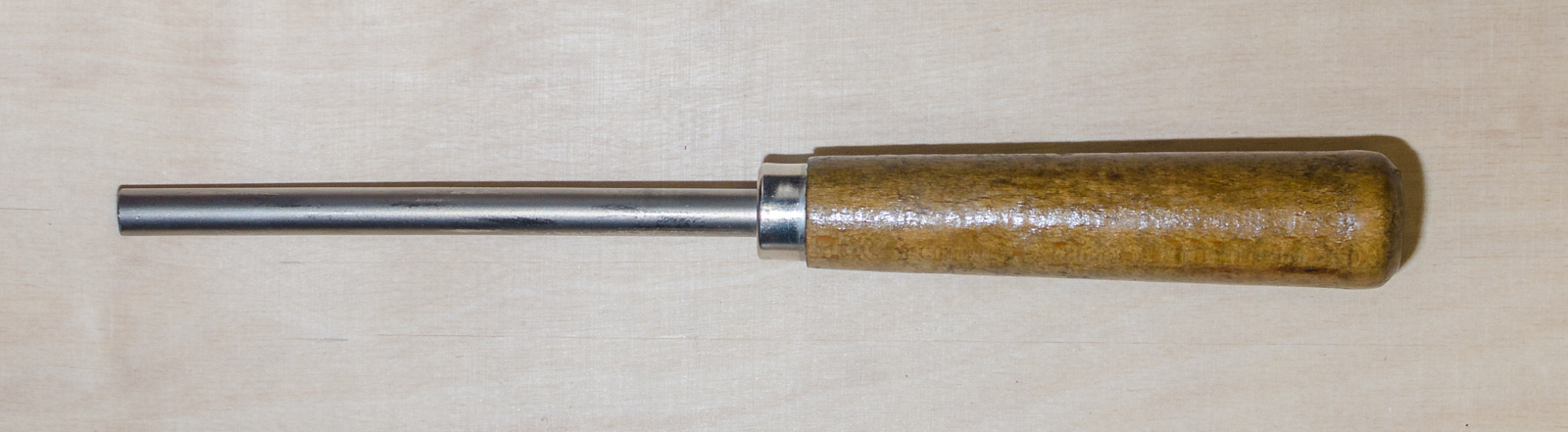
A guide block can be used to provide a consistent 10° or 15° angle. This particular one features a solid carbide rod and has angled outside surfaces to burnish curved scrapers at.
¶ Resources
- https://scienceofsharp.com - features many SEM images, more than you ever wanted to know about sharp and keen
¶ Grit information
- https://blog.lostartpress.com/wp-content/uploads/2014/09/sharpening-honing-stones-abrasives-inventory-050514.pdf - Lost Art Press grit comparison
- https://docs.google.com/spreadsheets/d/1VaTf3MXuwuvH-QLwOci4f9B9Zhkbuu1wjoSCZIUsR-o/edit#gid=0 - extensive sharpening systems' and makers' grit comparison
https://www.popularwoodworking.com/wp-content/uploads/2010/10/GritComparisonChart2.pdf(archived: https://web.archive.org/web/20240615140130/https://www.popularwoodworking.com/wp-content/uploads/2010/10/GritComparisonChart2.pdf) - another grit comparison chart- https://www.gritomatic.com/pages/grit-fundamentals - grit fundamentals: more than you ever wanted to know about grits, main range, adjacent range and threshold range
¶ Guides
- http://woodworking.de/schaerfprojekt/index.html or https://sharp.wwwiki.org list of extensive, well illustrated sharpening guides (most only available in German to my knowledge) with 60+ pages just for planes and chisels; there's an English version of that here: https://www.fine-tools.com/pdf/sharpening-chisel-and-plane-blades.pdf
- Sharpen This! - Christopher Schwarz's quite balanced introduction to sharpening, pdf download is only $10 (as of 2022)
- https://woodschool.org/woodschool_videos/01-how-to-sharpen-a-chisel/ - good introduction to sharpening with waterstones, a grinder and a honing guide
- https://www.wetzen-und-schleifen.de/schleifanleitung.php?rub=99 🇩🇪 - Good glossary on sharpening terms with illustrations, but in German only